Oyster Catering in Mallorca: A Complete Guide for Weddings and Private Events
Planning a wedding, villa party or private celebration in Mallorca? Discover how oyster catering works, when to serve it and how to create an elegant experience for your guests.
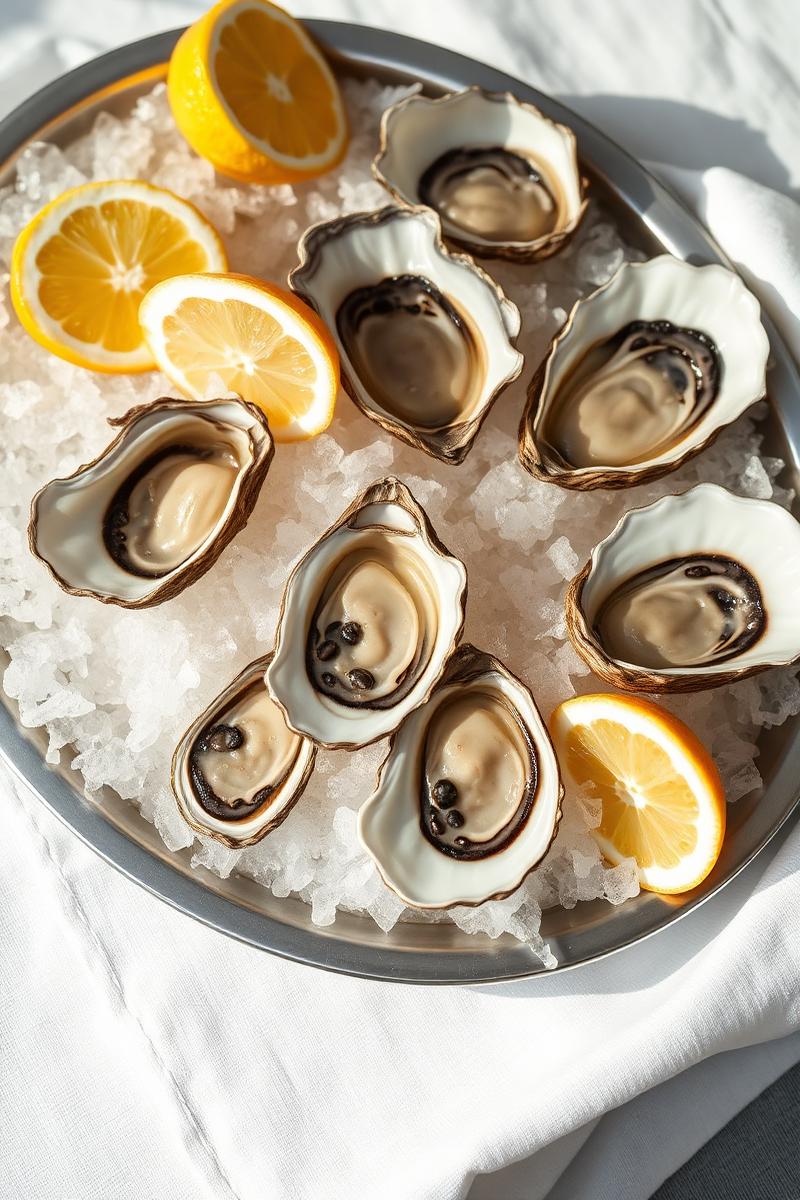
Few settings suit a raw shellfish course as naturally as Mallorca. Sea light, warm limestone, a garden opening onto the pines: the island lends itself to food that feels honest, careful and quietly celebratory. An oyster catering service is designed for exactly that atmosphere — a moment where the product is opened, checked and served in front of the guest, and where the gastronomic, visual and social experience arrive together.
This guide walks through what to expect from a professional oyster catering service in Mallorca — how it fits into a wedding or private event, how many oysters to plan per guest, how the service works alongside the venue and main caterer, and the safety, presentation and coordination details that separate a memorable experience from a merely correct one.
What oyster catering actually is
Oyster catering is a specialist service centred on live shucking. It covers the full chain: selection of the oysters, refrigerated transport under a controlled cold chain, professional opening on site, presentation on crushed ice, restrained condiments and accompaniments, dedicated service staff, setup and cleaning of the station, and coordination with the venue, the wedding planner and the main caterer.
The defining feature is that each oyster is shucked shortly before it reaches the guest. Nothing is opened in advance and staged: the blade opens the shell, the meat is checked, the liquor is preserved, and the oyster is offered immediately. That single detail — freshness you can see — is what gives the service its calm, ceremonial quality.
Events where an oyster service belongs
Weddings are the most natural home for oyster catering: welcome cocktail, the window between ceremony and dinner, pre-wedding dinners and post-wedding brunches all lend themselves to a short, high-quality raw course.
Beyond weddings, the service works beautifully in private villas and fincas, where the setting is already intimate and the food becomes part of the hospitality. On yachts it requires more careful logistical planning — space, refrigeration, timing and access — but with the right preparation it is one of the most fitting choices at sea. Corporate and brand events use oyster catering to elevate launches, dinners and hosted experiences without turning the evening into a buffet.
The best time to serve oysters at a wedding
In most weddings, the cocktail reception is the ideal window. Guests are standing, mingling and open to a small, refined tasting; a live oyster station or circulating tray fits the rhythm without competing with the dinner to come.
Other well-tested moments include the welcome drink as guests arrive, the gap between ceremony and dinner, a premium food station running alongside canapés, or a single elegant course served just before a tasting menu begins. Pre-wedding dinners and post-wedding brunches, as well as sunset receptions at private villas, are equally suitable. In all cases, the key is coordination — the oyster service should be woven into the timeline agreed with the planner, not layered on top of it.
How many oysters to serve per guest
As an initial guide, plan on 2–3 oysters per guest for a light tasting alongside other substantial canapés, and 3–6 oysters per guest when oysters are a prominent element of the cocktail reception. For events built specifically around an oyster-focused tasting, expect higher volumes.
These figures are a starting point. The final estimate is always built around the specific event: the rest of the menu, the length of the service, the guest count, the demographic and the expected level of interest all shape the number. The aim is generosity without waste, and a service that ends while guests still want one more oyster rather than one that trails off half-served.
What the service includes
A complete oyster catering service normally covers: sourcing and selection of the oysters from authorised suppliers; refrigerated transport with a controlled cold chain from origin to venue; ice, trays and station presentation; professional shucking tools and protective equipment; live opening and individual inspection of each oyster; a considered selection of condiments (lemon, mignonette, sometimes a house sauce); trained service staff for the agreed duration; setup and removal of the station; waste management and cleaning; travel to the venue; and coordination with suppliers, planners and the main caterer.
The point of listing all of this is simple: an oyster service is not just a product, it is a small operation. A quality proposal accounts for every one of these lines explicitly.
Oyster varieties: there is no single best one
Oysters differ in size, salinity, texture, sweetness and minerality. Speciales carry more flesh and a fuller mouthfeel; finer varieties feel more delicate and mineral; some are marked by iodine, others by an almost sweet finish.
Rather than chasing a single 'best' variety, the priority is traceable origin, an authorised supplier, verifiable freshness, suitability for the event format and consistency across the batch. A good service will propose one or two varieties that suit the menu and the audience, and explain why.
Presentation formats
Depending on the event, oysters can be offered as a station with staff shucking to the pace of the room, as individual cocktail-style service circulating on trays, as a small comparative tasting of two or three varieties side by side, paired with Champagne or a specific wine, combined with caviar in a single elevated course, or integrated into a wider gourmet concept.
Whatever the format, the presentation is deliberately restrained: crushed ice, sober trays, well-cut lemon, a few glass containers of condiments. The condiments are there to complement the oyster, never to mask it.
Are oysters safe to serve in summer?
Yes — when they are professionally sourced, kept under refrigeration, handled correctly and served promptly. Safety comes from the discipline of the operation: full traceability of every batch, authorised suppliers, an unbroken cold chain, active protection from heat and direct sun on site, clean and controlled preparation, trained personnel who know exactly how to shuck and inspect, minimal delay between opening and serving, and clear allergen information for guests.
European food safety authorities publish guidance worth being aware of. The European Food Safety Authority notes that changes in sea temperature can influence the presence of Vibrio bacteria in seafood: read EFSA on Vibrio bacteria in seafood. Oysters are also a mollusc and a recognised allergen — see EFSA — food allergens for context.
As a general note for any raw shellfish course: guests who are pregnant, immunocompromised or otherwise medically vulnerable should seek medical advice before eating raw oysters. This is not a limitation of the service — it is standard health guidance for raw shellfish anywhere in the world.
What the venue needs to provide
A workable oyster service asks for a small but specific list from the venue: reasonable access for a service vehicle and the team, a protected preparation area shielded from direct sun and wind, refrigeration on site or an agreed cold storage plan, access to clean water for hygiene, adequate lighting for the service window, a clear route between preparation and guests, and a place to manage waste discreetly.
None of this is exotic — most Mallorca villas, fincas and event venues meet these requirements comfortably. The important step is confirming them in advance, so nothing has to be improvised on the day.
Working alongside the main caterer
Oyster catering does not replace the main caterer; it works alongside it. Coordination covers quantities and timing, prep areas, guest circulation, division of responsibilities during service and clear allergen communication.
The Seventh Oyster is used to fitting into an existing setup and coordinates directly with planners, venues and main caterers so the oyster moment lands cleanly inside the wider timeline.
Oysters and caviar together
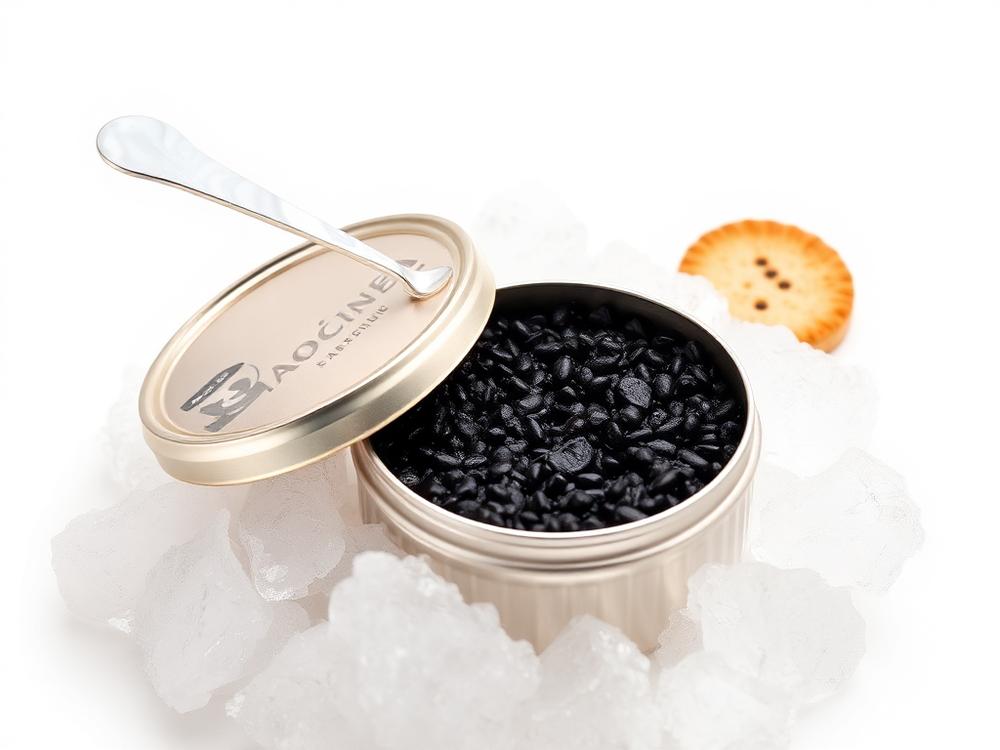
Oysters and caviar share a language of the sea, and can be combined thoughtfully in several formats: a joint tasting where both are offered side by side, a restrained caviar garnish on selected oysters, a separate caviar reception before or after the oyster service, a beverage pairing that ties them together, or a discreet course for a smaller group.
The design principle is balance and restraint. Both products are strong on their own; used together, less is almost always more.
How pricing works
There is no honest single price for oyster catering — it is always a function of the event. The main drivers are guest count, chosen variety and total quantity, service duration, number of staff, venue location and access, presentation format, whether caviar or specific pairings are included, equipment and refrigeration needs, and the setup and coordination effort involved.
For that reason, an accurate figure comes from a tailored proposal rather than a fixed rate card. A short conversation about the event is enough to build a proposal that reflects the reality of the day.
Lead time and booking
It is worth getting in touch as soon as the date and venue are confirmed. Earlier planning gives more room for coordination, logistics and selection — particularly in high season, when both suppliers and venues are working at capacity.
How to choose a supplier
When comparing options, look at where the oysters are sourced and whether every batch is traceable, how the cold chain is managed, whether staff are trained specifically to shuck and serve, what equipment is included, how allergens are handled, how coordination with your planner and main caterer works, what contingency plans exist for weather or logistics, and whether the proposal covers the full scope of the service or only the product.
A serious operator will be transparent on every one of these points.
In short
Oyster catering in Mallorca works best when it is treated as a single carefully directed moment inside a larger event: the right variety, the right time, the right coordination, and a service that does its work quietly and cleanly. Done that way, it is one of the most elegant things you can put in front of a guest.
Frequently asked questions
- Is an oyster bar or oyster station suitable for every wedding?
- Not every one. It suits weddings where guests appreciate a small, refined food moment — usually during the cocktail reception. For very short cocktail hours or highly informal formats, it may not be the best fit.
- Can oysters be served outdoors in Mallorca?
- Yes, with proper cold chain management, shade for the station, and careful timing to keep the product protected from direct sun and heat.
- Does every guest have to eat oysters?
- No. Oysters are an optional tasting. Guests who prefer not to eat them simply do not take one, and quantities are planned realistically rather than one per person by default.
- Can an oyster service be arranged at a private villa?
- Yes — villas and fincas are one of the most natural settings for this service, as long as there is reasonable access, a protected preparation area and an agreed refrigeration plan.
- Can caviar be added to the service?
- Yes. Caviar can be added as a garnish on selected oysters, as a small parallel tasting, or as a separate reception course, depending on the event.
- Are oysters suitable for summer weddings?
- Yes, when the oysters are professionally sourced, kept under refrigeration and served promptly by trained staff. Guests who are pregnant, immunocompromised or otherwise medically vulnerable should seek medical advice before eating raw shellfish.
Planning an oyster experience in Mallorca
The Seventh Oyster creates tailored oyster and caviar experiences for weddings, private villas and celebrations, coordinating directly with planners, venues and main caterers. Share the date, the location, an approximate guest count and the concept — we will build a proposal shaped around it.