Oyster and Caviar Catering for Private Villas in Mallorca
A practical planning guide for oyster and caviar catering at a private villa in Mallorca: service formats, timing, access, cold chain, guest flow and how to coordinate with your planner, chef and villa manager.
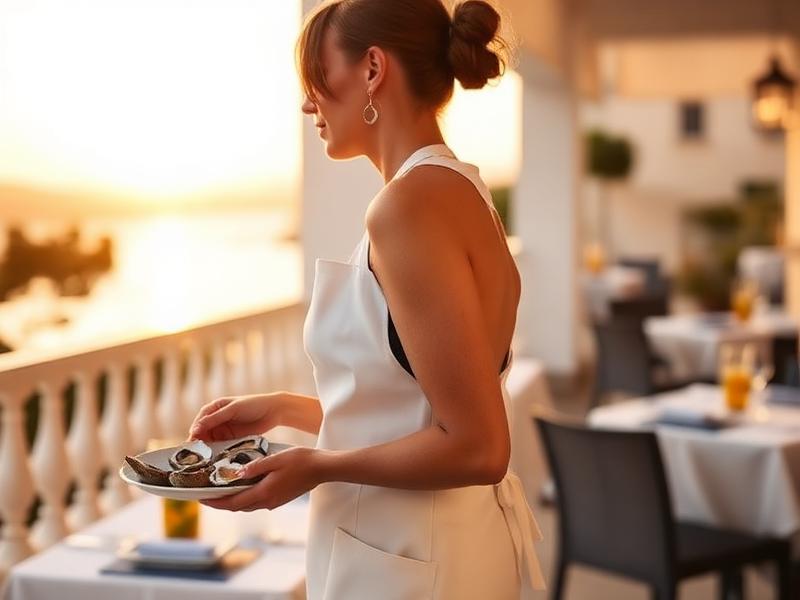
A private villa in Mallorca is one of the most rewarding settings for an oyster and caviar service — and one of the most demanding to plan well. Unlike a hotel or a dedicated events finca, a villa has no back-of-house, no professional loading bay and no on-call kitchen brigade. Every detail arrives with the team: the ice, the trays, the knives, the chilled boxes, the timings. This guide is written for hosts, villa managers and planners who want to organise the service with the same care they put into the rest of the stay.
It focuses on operational decisions rather than inspiration: how the service is set up in a private home, when to serve it during the day, how to protect the cold chain, how guests move around the station, and how to coordinate cleanly with a private chef, a main caterer or a wedding planner. If you are looking for the wider gastronomic story, our complete guide to oyster catering in Mallorca covers formats, varieties and quantities in more depth.
Why a villa is not a venue
Villa catering is closer to hosting a private dinner than to catering a commercial event. Access roads can be narrow and steep, parking is often limited, kitchens are domestic rather than industrial, and any noise or light discipline is set by neighbouring properties. On the other hand, the intimacy of the setting — a pool terrace at dusk, a shaded courtyard, a garden opening onto the pines — is precisely what makes the service memorable.
The consequence is simple: everything must be planned in advance. A live oyster and caviar service is fast, precise and safe when the site has been walked; it becomes stressful and slow when the team discovers surprises on arrival. A short site visit or a detailed set of photographs and measurements is usually enough to prevent the majority of issues.
Three service formats that suit villas
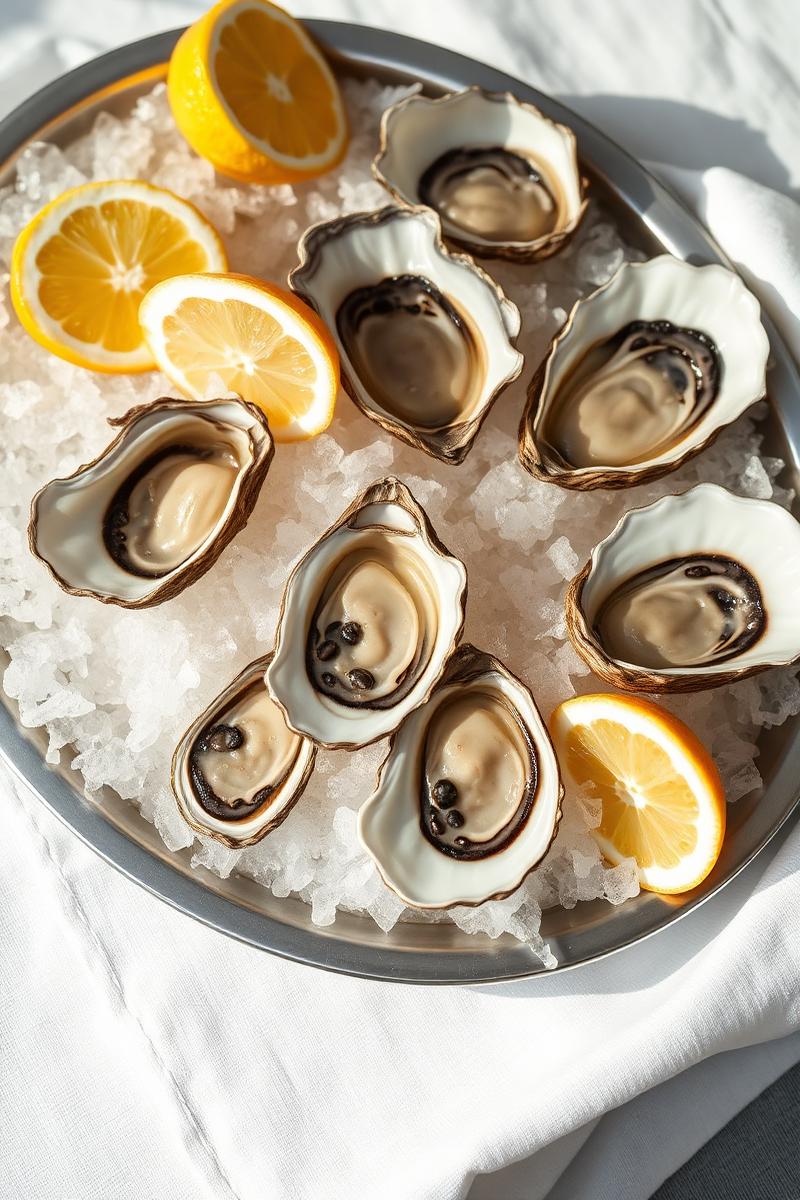
A fixed bar or station places the team behind a short counter or dressed table, with ice, oysters and caviar visible to the guest. It works well on a terrace, next to the pool or at the edge of a garden, and it becomes a natural gathering point during the first hour of the event.
A roaming live-shucking service moves through the villa with a small mise en place and opens oysters directly in front of small groups of guests. It suits welcome drinks, cocktail hours where guests are dispersed across several outdoor areas, and villas with more than one social space.
A combined oyster and caviar sequence pairs both products in a short, guided moment — a plate of freshly opened oysters, a spoon of caviar with a discreet accompaniment, a glass of Champagne or dry white wine. It fits smaller gatherings, sunset receptions and pre-wedding dinners where a single elevated course sets the tone for what follows.
When to serve it during the day
The service is at its best in the calm window before dinner: a welcome moment as guests arrive, an aperitif on the terrace, a sunset gathering by the pool, or the opening of a pre-wedding or welcome party. Timing it after a full dinner tends to compete with dessert and coffee rather than complement them.
In hotter months, plan the service before the strongest sun leaves the terrace and before the wind picks up in coastal villas. In the Tramuntana or inland properties, the light lasts longer and evenings cool more quickly, which usually favours a later slot. In all cases, the exact window should be agreed with the chef or main caterer so the service does not sit on top of another course.
Oysters, caviar or both
Oysters carry the visual and sensorial weight of the moment: they are opened live, the shell is part of the presentation, and each portion arrives at the guest with a small ceremony. They suit larger groups, longer service windows and a more sociable atmosphere.
Caviar is quieter and more focused. It works beautifully as a short, seated tasting or as a discreet complement to Champagne on a terrace with a limited number of guests. A combined service uses each product where it is strongest — oysters as the open, generous element, caviar as the precise, intimate one. For a deeper look at each service on its own, see our pages on oyster catering in Mallorca and caviar catering in Mallorca.
Villa checklist: access, space and utilities
Access and unloading: confirm the vehicle route, gate widths, any height restrictions, and the walking distance from the parking area to the service point. Long staircases, gravel paths and steep driveways all affect setup times.
Service point: identify a shaded or covered area for the bar or station, protected from direct sun and prevailing wind. A hard, level surface is preferable; grass is workable with the right base.
Preparation zone: the team needs a discreet back-of-house area — often a corner of the kitchen or a covered outdoor space — to unpack, chill, portion and manage waste out of sight of the guests.
Refrigeration: agree in advance what will be stored in the villa's fridges and what the team brings in insulated boxes. Oysters and caviar are held at controlled cold temperatures until the moment of service.
Water and hygiene: clean running water for hands and equipment, a bin for shells and general waste, and space for a small handwashing routine.
Power and lighting: a fixed bar generally needs no more than task lighting and, if styled with candles or lamps, a nearby socket. Sunset and evening service benefit from soft additional light on the station itself.
Guest flow: the station should sit where guests naturally gather without blocking a corridor, a service path used by the main caterer or the route to the dining area.
Cold chain, freshness and food safety
Oysters travel from the supplier to the villa under a controlled cold chain and are opened to order, one by one. Nothing is shucked in advance and left on trays. Caviar is kept refrigerated in its original tin until the moment it is served. Waste is managed continuously so no empty shell or open container sits in the sun.
As a raw seafood product, oysters carry a small inherent risk. It is prudent to note to guests that pregnant women, immunocompromised individuals and anyone medically vulnerable should ask before consuming raw oysters. No responsible service will make absolute guarantees; a good one is transparent about its sourcing, its handling and its limits.
Coordinating with the chef, caterer and planner
In most villa events, the oyster and caviar service is one piece of a larger evening that also involves a private chef, a main caterer, a wedding planner or a villa manager. Coordination is quiet but detailed: agreed arrival and setup windows, a shared timeline, clear boundaries around who serves what and where, and a single point of contact on the day.
The team should arrive before guests, be set up before the first arrival, and step back once the service window closes. Breakdown is discreet: shells are removed, the station is cleared, surfaces are wiped, and the villa is returned to the state in which it was found.
How to think about quantities
There is no universal figure. Quantities depend on the guest count, the length of the service, the rest of the menu and the role the oysters and caviar play — a welcome tasting, a main feature or a discreet accompaniment. As a general orientation, plan a light tasting when the food that follows is substantial and a more generous service when the oysters are the centrepiece of the moment.
A good proposal will translate your event brief into a specific number of oysters, a caviar quantity, a staffing level and a service duration, rather than a single per-guest average applied without context.
Adapting to the villa's setting
Coastal villas offer spectacular light and a natural connection to the sea, but they are more exposed to salt air, wind and direct sun. Screens, shaded stations and a slightly earlier service window all help.
Villas in the Tramuntana or inland enjoy softer evening temperatures and stone architecture that suits a more restrained, candle-lit presentation. Access roads are usually the main practical consideration.
Urban villas in Palma and its surroundings work well for intimate gatherings, with the advantage of shorter logistical distances and the constraint of neighbouring properties: noise, service times and vehicle access all deserve a quiet check.
Plan B for heat, wind and rain
In hot weather, the station is moved into full shade, ice is refreshed more often and the service window is shortened at the edges. In wind, exposed terraces are avoided in favour of courtyards or covered areas, and light styling elements are kept to a minimum. In rain, an alternative covered service point is agreed in advance so the change is calm rather than improvised.
The point of a plan B is not to expect the worst but to make sure a change in conditions does not become a change in the guest experience.
What to send when you request a proposal
The more precise the brief, the more accurate the proposal. Useful information includes: the date and approximate service window; the villa's location and, ideally, a link or a few photographs; the guest count and profile; the role of the service within the evening; the format you have in mind (fixed bar, roaming, combined sequence); whether you would like oysters, caviar or both; the name of the main caterer, chef or planner if one is already involved; and any dietary or accessibility notes.
A short conversation is usually enough to translate this into a considered proposal for your villa. You can start that conversation here or explore our villa event catering in Mallorca page for the wider service.
A quiet, well-planned moment
An oyster and caviar service in a private villa is not a spectacle. At its best it is a considered, low-key moment inside a larger evening — the sound of shells opening, a small ceremony around each tray, guests naturally drawn to the same corner of the terrace. Everything that makes that feel effortless is the result of careful planning long before the first guest arrives.
Frequently asked questions
- Can the service take place in any private villa in Mallorca?
- In most cases, yes, provided there is safe vehicle access, a shaded or covered service area, running water, agreed refrigeration and a discreet preparation zone. A short site visit or a set of photographs and measurements is usually enough to confirm feasibility.
- What is the difference between a fixed oyster bar and a roaming live-shucking service?
- A fixed bar centralises the service at a single dressed station where guests approach. A roaming live-shucking service moves through the villa with a small mise en place and opens oysters directly in front of small groups. Fixed bars suit gatherings around one focal point; roaming service suits villas with several outdoor areas.
- When is the best moment to serve oysters and caviar in a villa event?
- The calm window before dinner tends to work best: welcome drinks, an aperitif on the terrace, a sunset gathering or the opening of a pre-wedding or welcome party. Serving after a full dinner usually competes with dessert rather than complementing the meal.
- How is the cold chain protected in a private villa?
- Oysters and caviar travel in insulated boxes at controlled cold temperatures, are stored in agreed villa fridges or dedicated cool boxes on arrival, and are opened or served to order. Nothing is shucked in advance and left on trays, and waste is managed continuously throughout the service.
- Is raw shellfish suitable for every guest?
- It is prudent to note that pregnant women, immunocompromised individuals and anyone medically vulnerable should ask before consuming raw oysters. A responsible service is transparent about its sourcing and handling and does not offer absolute guarantees around raw seafood.
- How does the service coordinate with a private chef, main caterer or wedding planner?
- Through a shared timeline agreed in advance: arrival and setup windows, service duration, clear boundaries around who serves what, and a single point of contact on the day. The team arrives before guests, is set up before the first arrival and steps back cleanly once the service window closes.
- How much notice is usually needed to organise the service?
- As early as possible, especially for peak summer weeks and destination-wedding dates. Earlier planning gives more flexibility on formats, quantities and site preparation; last-minute requests are considered when logistics and product availability allow.
Planning an oyster experience in Mallorca
The Seventh Oyster creates tailored oyster and caviar experiences for weddings, private villas and celebrations, coordinating directly with planners, venues and main caterers. Share the date, the location, an approximate guest count and the concept — we will build a proposal shaped around it.